
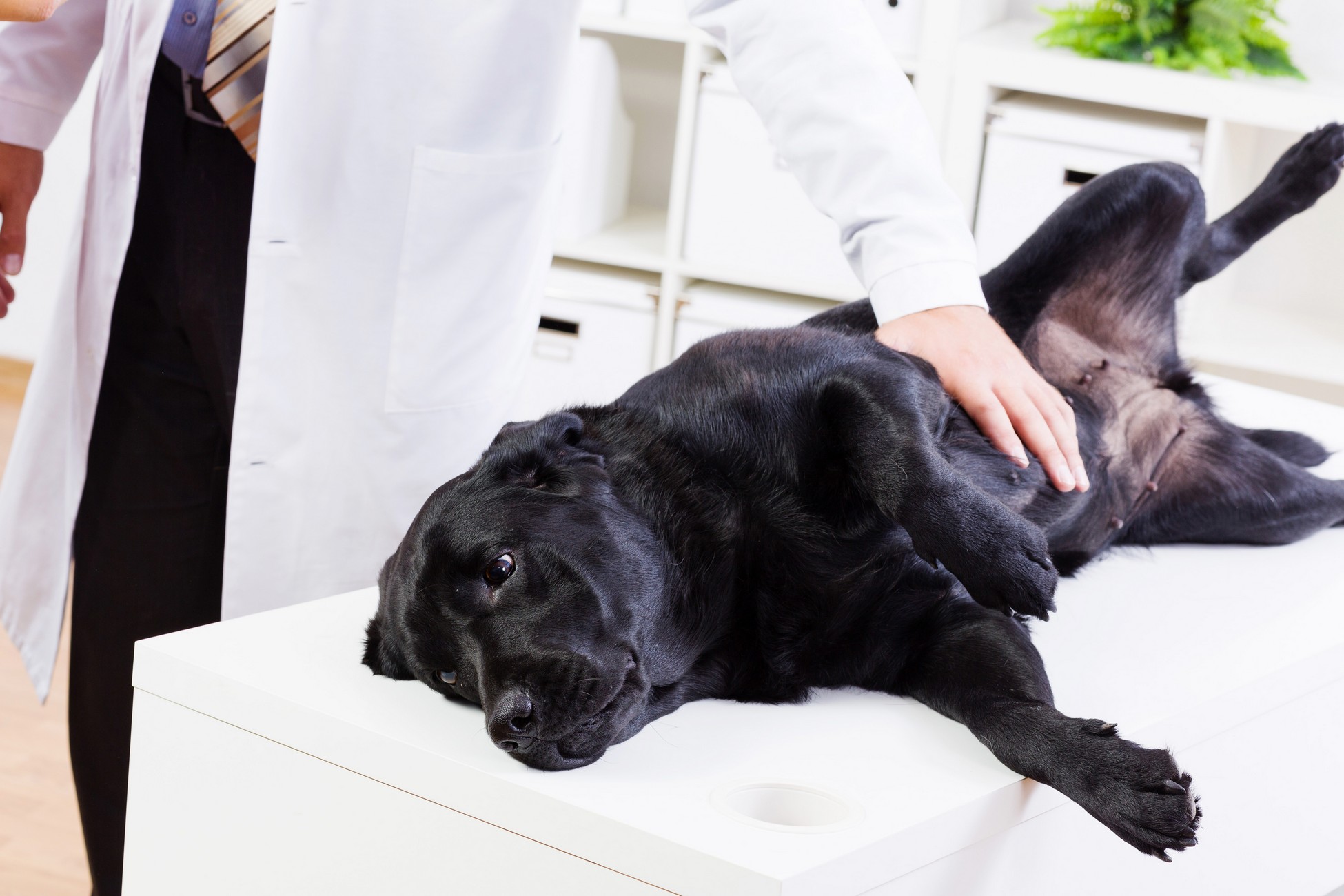
Diabetes in Dogs and Cats
Increased thirst and urination in your pet could be a sign of diabetes. Perkins Road Pet Clinic helps diagnose and manage diabetes in dogs and cats throughout Stillwater, OK .
What Is Diabetes in Pets?
Diabetes mellitus occurs when a pet’s body doesn’t produce enough insulin or doesn’t use it effectively, leading to elevated blood sugar levels. It’s most common in middle-aged to senior pets and is often linked to obesity, particularly in cats.
Signs of Diabetes in Pets
- Increased thirst and urination
- Increased appetite paired with weight loss
- Lethargy or weakness
- Cloudy eyes (more common in dogs)
- A sweet or unusual odor to the breath
How We Diagnose Diabetes
Diagnosis typically involves bloodwork and urinalysis performed in our in-house laboratory to measure blood glucose levels and check for glucose in the urine. Because diabetes can affect multiple organ systems over time, our internal medicine team may recommend additional monitoring depending on your pet’s overall health.
Managing Diabetes Long-Term
Most diabetic pets are managed with insulin injections, dietary changes, and consistent monitoring of blood glucose levels. Weight management plays an important role as well — see our pet exercise page for activity guidance that supports a healthy weight. Regular wellness visits through our Adult Program help us track how well your pet’s diabetes is controlled over time.
If your pet is drinking or urinating more than usual, call (405) 624-3086 to schedule a checkup.
Frequently Asked Questions
What causes diabetes in pets?
Diabetes occurs when a pet’s body doesn’t produce enough insulin or doesn’t use it effectively, often linked to obesity or genetics.
What are the early signs of diabetes in dogs and cats?
Increased thirst and urination, increased appetite with weight loss, and lethargy are common early signs.
How is diabetes diagnosed in pets?
Diagnosis typically involves bloodwork and urinalysis to measure blood glucose levels.
Can diabetes in pets be cured?
Diabetes is generally a lifelong condition managed with insulin and diet, though some cats can occasionally go into remission with early, aggressive management.
Does diet play a role in managing diabetes?
Yes, dietary changes are often a key part of managing blood sugar levels alongside insulin therapy.
How often will my pet need monitoring once diagnosed?
Newly diagnosed pets often need more frequent monitoring initially, transitioning to regular wellness visits once their diabetes is well controlled.
Is obesity linked to diabetes in pets?
Yes, obesity is a significant risk factor for diabetes, particularly in cats.