
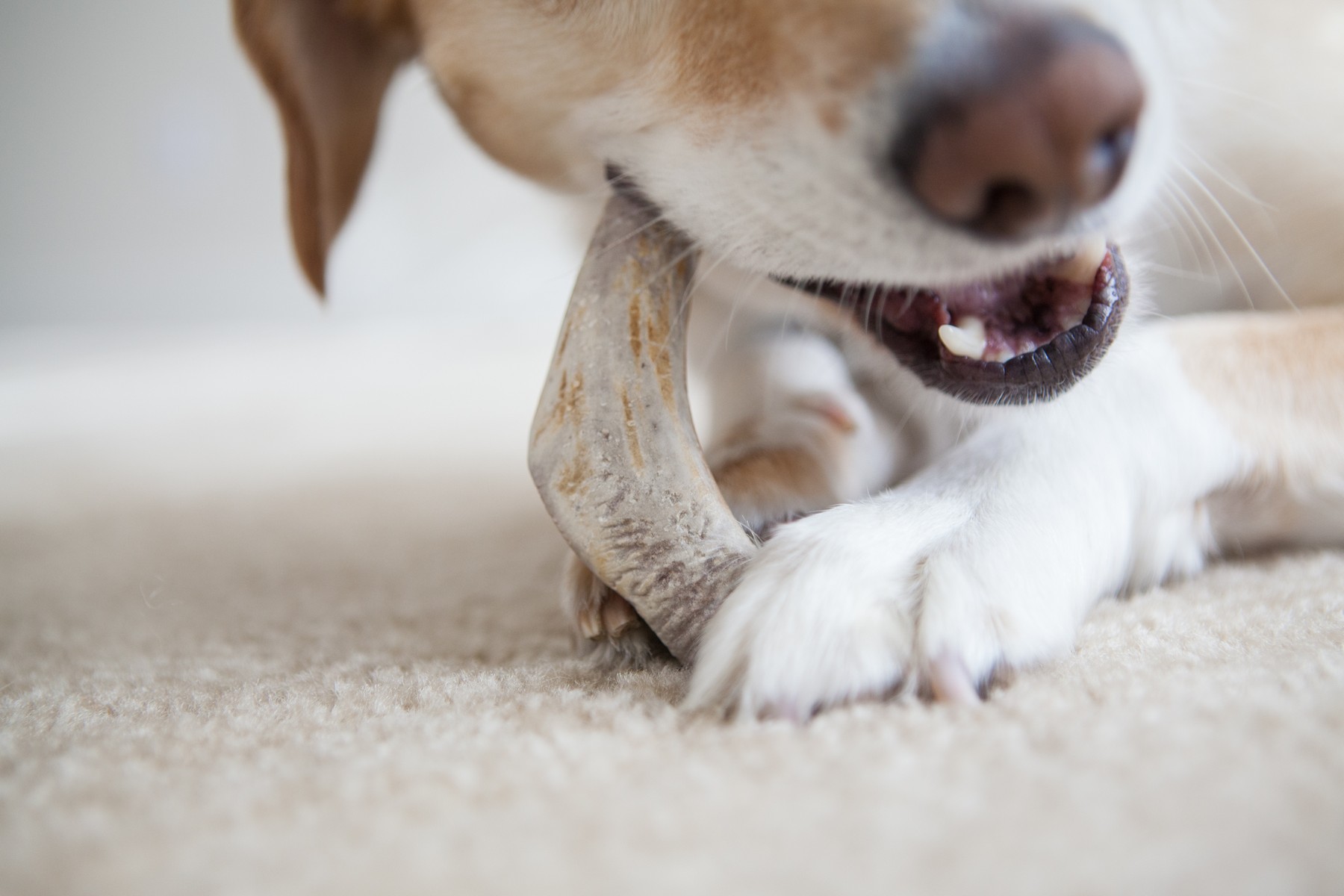
Periodontal Disease in Dogs and Cats
Periodontal disease is the most common medical condition seen in adult dogs and cats. Perkins Road Pet Clinic helps pet owners in Stillwater, OK catch and treat dental disease before it affects their pet’s overall health.
What Is Periodontal Disease?
Periodontal disease begins with plaque buildup on the teeth, which hardens into tartar and irritates the gums. Left untreated, it progresses to infection and inflammation below the gumline, damaging the structures that hold teeth in place. An estimated 80 percent of dogs and 70 percent of cats over three years old have some degree of dental disease.
Signs Your Pet May Have Periodontal Disease
- Bad breath
- Yellow or brown buildup on the teeth
- Red, swollen, or bleeding gums
- Difficulty chewing or dropping food
- Loose or missing teeth in advanced cases
Why Periodontal Disease Is More Than a Dental Issue
Bacteria from infected gums can enter the bloodstream and contribute to problems with the heart, liver, and kidneys. Managing dental disease is an important part of protecting your pet’s whole-body health, not just their teeth.
How We Diagnose and Treat Periodontal Disease
Diagnosis starts with an oral exam, often supported by digital dental x-rays to evaluate the health of tooth roots and bone below the gumline. Treatment typically involves a professional cleaning performed under anesthesia, which allows us to safely clean below the gumline where disease often hides. Our in-house lab is used for pre-anesthetic bloodwork to confirm your pet is a safe candidate for the procedure.
For more on our dental services, visit our dentistry page. Pets enrolled in our Love Your Pet Program can earn a 25% savings on dental cleanings through our Adult Program.
If your pet is showing signs of dental disease, call (405) 624-3086 to schedule an exam.
Frequently Asked Questions
How common is periodontal disease in pets?
It’s very common, affecting an estimated 80 percent of dogs and 70 percent of cats over three years of age.
Can periodontal disease affect my pet’s overall health?
Yes, bacteria from infected gums can enter the bloodstream and contribute to problems with the heart, liver, and kidneys.
What are the early signs of dental disease?
Bad breath, visible tartar buildup, and red or swollen gums are common early signs.
Is anesthesia necessary for treating periodontal disease?
Yes, anesthesia allows us to safely and thoroughly clean below the gumline, where periodontal disease often causes the most damage.
Can periodontal disease be reversed?
Early-stage gum inflammation can often be reversed with a professional cleaning and improved home care, but advanced bone loss is generally permanent.
How can I prevent periodontal disease at home?
Regular brushing, dental chews, and routine checkups can help slow the progression of plaque and tartar buildup between professional cleanings.
How do I schedule a dental exam for my pet?
Call (405) 624-3086 or request an appointment online to have our veterinary team evaluate your pet’s dental health.